Planning a documentary, true-crime series, podcast, or investigative feature?
Please complete the form with details about your production, deadline, and media request. A member of the Kip Kieso Polygraph Services team will review your inquiry and respond as soon as possible.
For producers and journalists on deadline, Kip is available for:
- • On‑camera expert commentary (studio or remote)
- • Case file and polygraph chart review
- • Behind‑the‑scenes consulting on scripts and storylines involving polygraph
Media/Producer Line: (913) 302‑5034
Media Inquiries: kipkiesopolygraph@hotmail.com
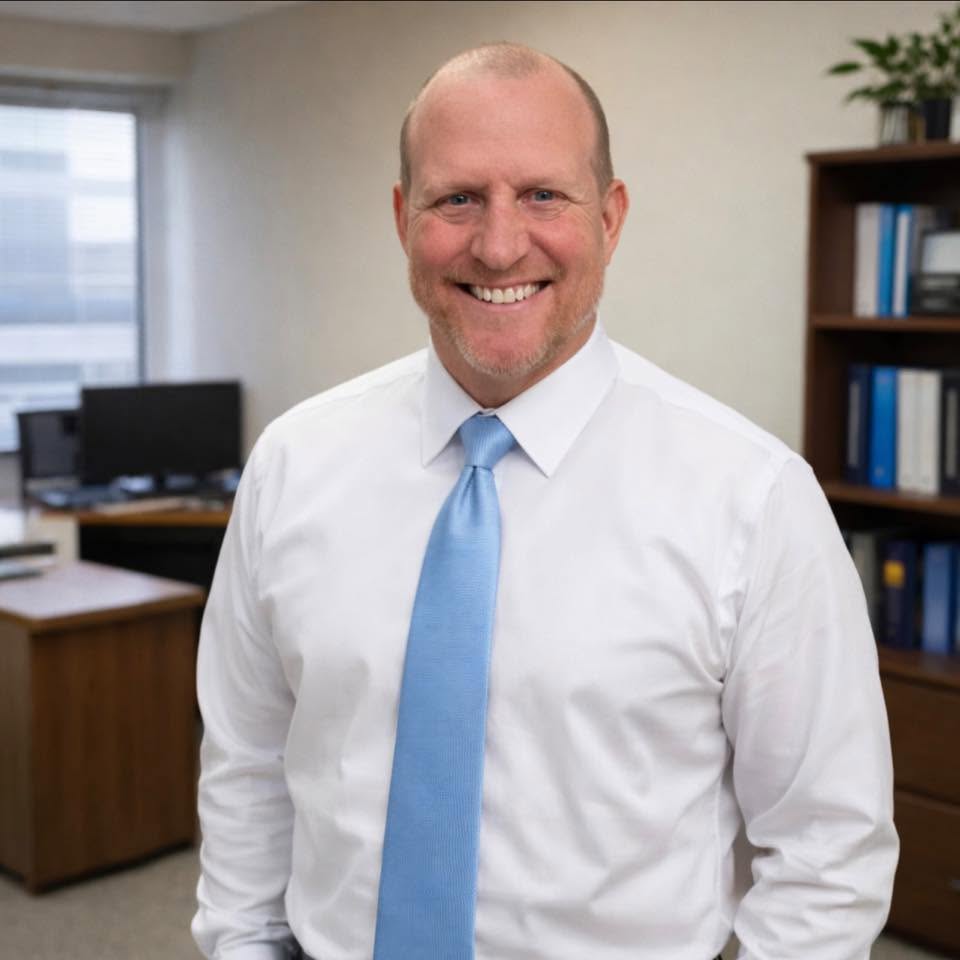
Click here to download headshot

FAQ
Frequently Asked Questions
Is Kip Kieso available for on-camera interviews?
Yes. Kip is available for select on-camera interviews, expert commentary, documentary segments, and true-crime media appearances.
What types of productions can request Kip as a polygraph expert?
Kip is available for true-crime television, documentary films, streaming series, investigative news, podcasts, and media projects that need professional insight into polygraph testing or deception detection.
Can Kip explain polygraph results for a specific case?
Kip can provide general expert commentary and professional context, depending on the details of the request. Case-specific analysis may require additional information and review.
Can Kip work with Netflix, Dateline, 48 Hours, or similar productions?
Yes. Kip is available for inquiries from major networks, streaming platforms, production companies, and independent documentary teams.
Does Kip provide remote interviews?
Yes. Remote interview availability may depend on the project, schedule, and production needs.
Can Kip explain the limits of polygraph testing?
Yes. Kip can clearly explain what polygraph testing can and cannot determine, including common misconceptions, ethical considerations, and how results should be interpreted.
Can Kip Kieso help producers develop interview questions or story angles involving polygraph testing?
Yes. Kip can consult with producers, researchers, writers, and documentary teams on polygraph-related topics, investigative procedures, credibility assessment, and common misconceptions surrounding lie detector testing. While he cannot provide legal advice, he can help ensure interview questions and storylines accurately reflect how polygraph examinations are used in real-world investigations.
Sample Interview Questions
Below are examples of the types of questions Kip can answer during on-camera interviews, podcasts, documentaries, and investigative media productions.
Understanding Polygraph Testing
- • Walk us through what actually happens during a polygraph exam in a murder investigation.
- • How reliable is a lie detector test, and what are its biggest limitations?
- • What physiological responses are measured during a polygraph examination?
- • How do examiners determine whether someone is being deceptive?
True Crime & Criminal Investigations
- • In this case, the suspect “passed” a polygraph. What does that really tell us?
- • How are polygraph examinations used during homicide investigations?
- • What role can polygraph testing play in cold-case investigations?
- • How should investigators interpret polygraph results alongside other evidence?
Psychology of Deception
- • Why might an innocent person fail a polygraph, especially under intense pressure?‘
- • Why do some deceptive individuals appear calm during testing?
• What are some of the most common misconceptions about lie detector tests?
• Can someone successfully beat a polygraph examination?
Sex Offender Monitoring & Specialized Testing
- • How are polygraphs used with sex offenders on supervision or parole?
- • What is Post-Conviction Sex Offender Testing (PCSOT)?
- • How does polygraph testing support treatment and supervision programs?
• What ethical safeguards exist when conducting these examinations?
Ethics & Best Practices
- • When should a polygraph examiner decline a case?
• What are the limitations of polygraph evidence in criminal investigations?
• How do ethical examiners avoid influencing test results?
• What should the public understand about the difference between an investigation and a polygraph examination?